


.png)


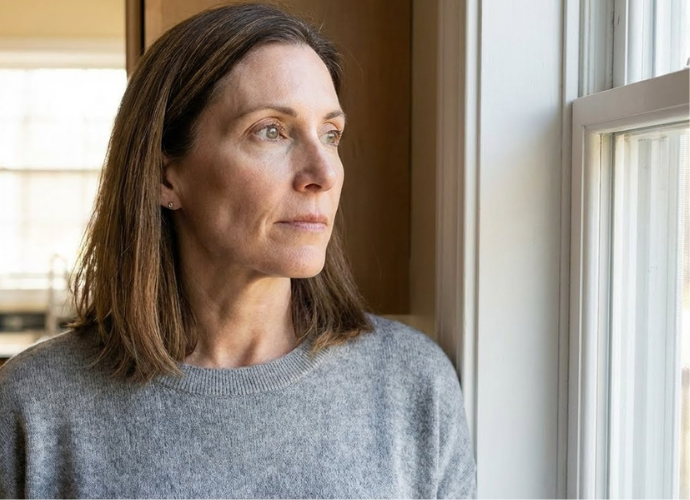
The term “Ozempic face” has gained attention online to describe facial changes such as volume loss, sagging, or a more tired appearance in some individuals using GLP-1 weight-loss medications as Ozempic or Mounjaro. While the phrase has become popular on social media, it is often misunderstood and misleading.
The truth is this:
Ozempic face is not caused by the medication itself.
It most commonly occurs when weight loss happens too quickly or without proper medical supervision.
“Ozempic face” refers to facial changes that can occur after significant or rapid weight loss, including:
These changes are not unique to Ozempic or GLP-1 medications. They have been known for decades with crash dieting, bariatric surgery, illness-related weight loss, or extreme calorie restriction. The difference today is that GLP-1 medications have made weight loss more accessible, and faster.
When weight loss is not supervised by a medical expert, several things can happen:
Facial fat provides natural structural support. Rapid loss of this fat—especially in individuals over 40—can unmask age-related collagen loss and skin laxity that was already present.
This is why medically supervised weight loss programs focus on controlled pace, muscle preservation, and metabolic health, not just the number on the scale.
When GLP-1 medications are prescribed and monitored appropriately, physicians can:
Weight loss does not need to come at the expense of facial appearance when it is done correctly.
Modern aesthetic medicine offers natural, regenerative solutions that focus on restoring skin quality and structure rather than simply “filling” the face.
Biostimulant Treatments for Facial Collagen Loss: Biostimulant injectables stimulate the body’s own collagen production, leading to gradual improvement in skin thickness, firmness, and structural support. Rather than creating immediate volume alone, they enhance overall skin quality and restore facial integrity over time, producing natural and durable results. These treatments are particularly useful for patients who experience facial collagen loss after weight reduction. When combined with supportive approaches such as skin-tightening technologies or targeted volume restoration when needed, they can help correct weight-loss–related facial aging while maintaining a balanced, age-appropriate appearance.
It is important to emphasize that medically guided weight loss dramatically improves:
Facial changes, when they occur, are treatable and manageable. The long-term health benefits of controlled weight loss far outweigh temporary aesthetic concerns—especially when both are addressed together.
The best results occur when weight loss and facial aging are managed together, under medical supervision. This integrated approach allows patients to:
At our practice, weight management is never approached in isolation. We combine evidence-based medicine with advanced aesthetic strategies to help patients feel healthier, stronger, and more confident—without sacrificing their natural appearance.
“Ozempic face” is not a side effect of medication—it is most often a result of rapid, unsupervised weight loss. With proper medical guidance and modern collagen-stimulating treatments, facial aging can be prevented, improved, and even reversed.
If you are considering weight loss medication—or already using one—and want to protect both your health and your appearance, a personalized, physician-guided plan is essential.
Schedule a consultation to discuss a comprehensive approach to weight loss and healthy aging.
%20(150%20x%2060%20px)%20(4).png)
© 2025 Healing Medical Group INC. All rights reserved


